Victor Mejia • September 16, 2026

Why Desert Heat Destroys Your Wiper Blades

Why Las Vegas Heat Destroys Your Windshield Wipers
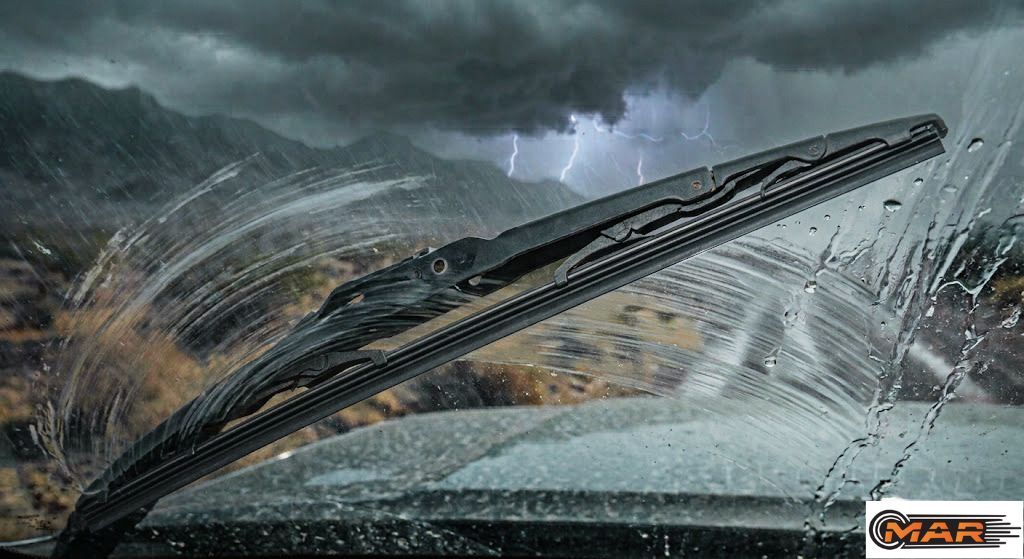
When living in Las Vegas, windshield wipers are usually the last thing on a driver's mind—until a sudden monsoon downpour hits on I-15 or Boulder Highway. Most drivers assume wiper blades only wear out from constant rain, but desert conditions actually ruin wiper blades faster than wet climates. The intense dry heat and UV rays bake the natural rubber, causing it to dry out, crack, and lose flexibility long before monsoon season arrives. On top of that, fine desert sand and dust collect across the glass and under the rubber. Turning on your wipers over dry, dusty glass acts like sandpaper, scratching your windshield and tearing the blade edges. When those sudden flash floods do hit, worn-out wipers end up streaking or smearing water, severely reducing your visibility right when you need it most.


Catching damaged blades early can save you from a dangerous situation on the road. Keep an eye out for clear signs of wear, such as streaking, chattering or squeaking as the blade hops across the glass, or visible cracking along the rubber edge. To extend the life of your wipers, wipe down the rubber edge with a damp cloth once a month to clear away dust buildup, and keep your windshield washer fluid full so you never dry-scrape the glass. As a general rule, you should swap your wiper blades every 6 to 12 months, ideally right before the summer heat sets in or before the late-summer monsoon season.


Don't wait for a sudden desert storm to realize your wipers are cracked and ineffective. Stop by Mejia's Auto Repair at 4655 Boulder Hwy for a quick inspection. We'll make sure your wiper blades, washer fluid, and windshield are set to keep your view clear year-round.

Share
By Victor Mejia July 14, 2026
The Cheap Fix That Saves You From a Engine Blowout
By Victor Mejia July 13, 2026
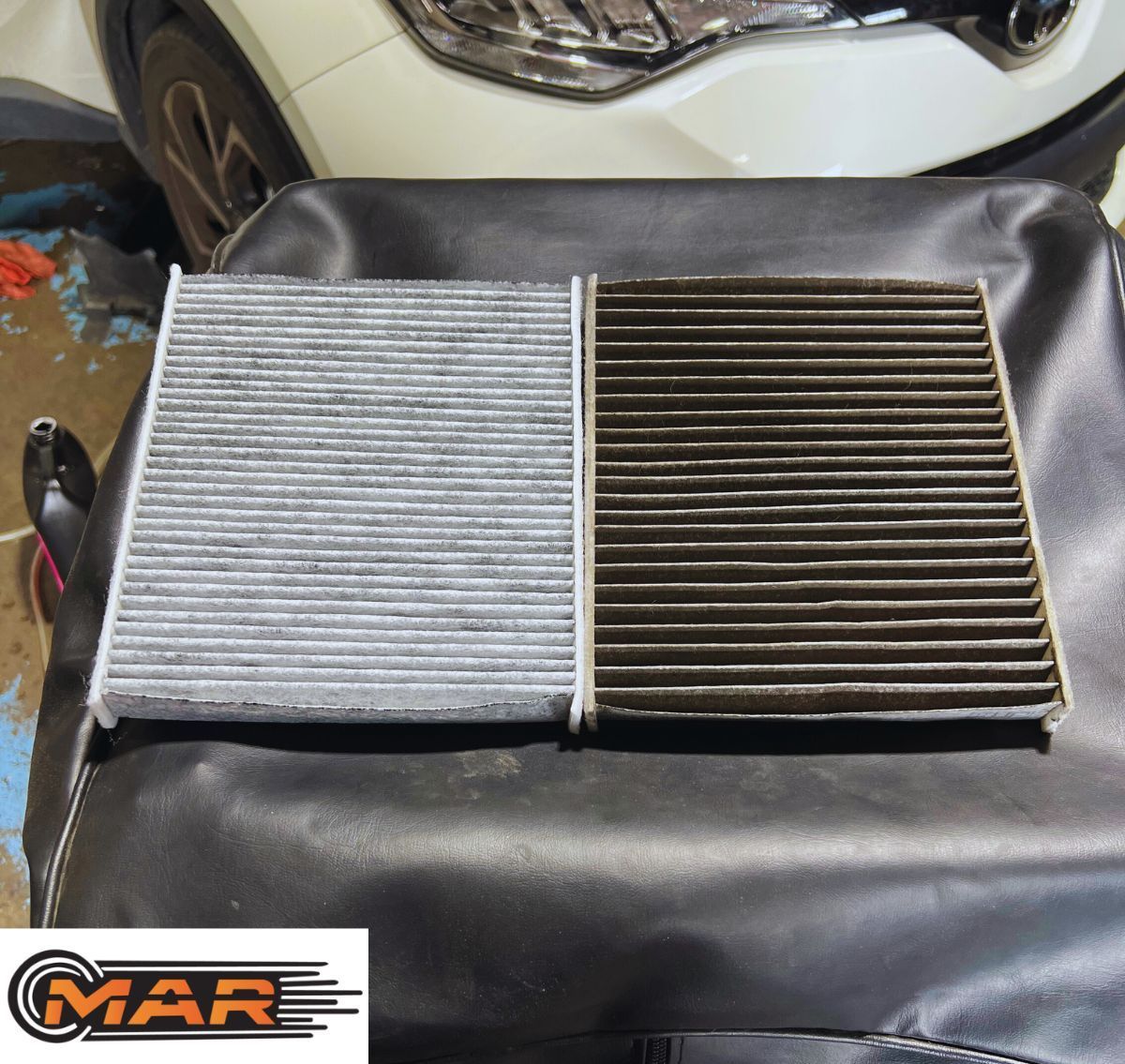
What Exactly is a Cabin Air Filter? Think of the cabin air filter as the "lungs" of your vehicle's interior. Its primary job is to clean the air that comes into your car through the heating, ventilation, and air conditioning (HVAC) system. This filter works overtime to trap: -Dust and dirt -Pollen and allergens -Soot and road debris -Molding spores and odors Over time, all of that trapped debris builds up. When a filter becomes completely clogged, it creates a thick barrier that blocks fresh air from circulating. The Hidden Consequences of a Clogged Filter A dirty cabin air filter doesn't just make your ride less comfortable; it can actually cause damage to your vehicle over time. Here is what happens when you leave a clogged filter unchecked: Weak Airflow: Because air can't easily pass through the blockage, you’ll notice your vents blowing much weaker than usual, even when turned up to the maximum setting. AC Strain & Overheating: A clogged filter forces your entire AC system to work twice as hard to push air into the cabin. In severe cases, this extra strain can cause components to wear out prematurely or cause your system to freeze up. Bad Smells: All the dust, moisture, and debris trapped in an old filter can create a breeding ground for musty, stale odors. If your car smells like a locker room when you turn the air on, the filter is likely to blame. Poor Air Quality: If the filter is full, it can no longer do its job. That means you and your passengers are breathing in the dust and allergens coming straight from the road. Clean vs. Dirty: See the Difference If you look at a brand-new cabin air filter next to one that hasn't been changed in a year, the difference is night and day. A fresh filter is bright white and completely open to airflow, while a spent filter is heavy, dark grey, and caked in debris. How often should you change it? As a general rule of thumb, cabin air filters should be replaced every 15,000 to 30,000 miles. However, because we deal with intense desert dust and extreme heat here in Las Vegas, checking it at least once a year (especially right before summer) is highly recommended. Breathe Easy Again with Mejia's Auto Repair Don't sweat it out this summer or push your AC system to its breaking point. Checking and swapping out a cabin air filter is a quick, affordable fix that makes an immediate difference in how cool your car feels. If your air feels weak or smells a bit off, roll into Mejia's Auto Repair. Our team will quickly inspect your filter, show you if it needs to be swapped, and get you back on the road breathing clean, ice-cold air. Stop by and see us today! 📍 Address: 4655 Boulder Highway, Las Vegas, NV 📞 Call or Visit Us for a quick inspection and swap.
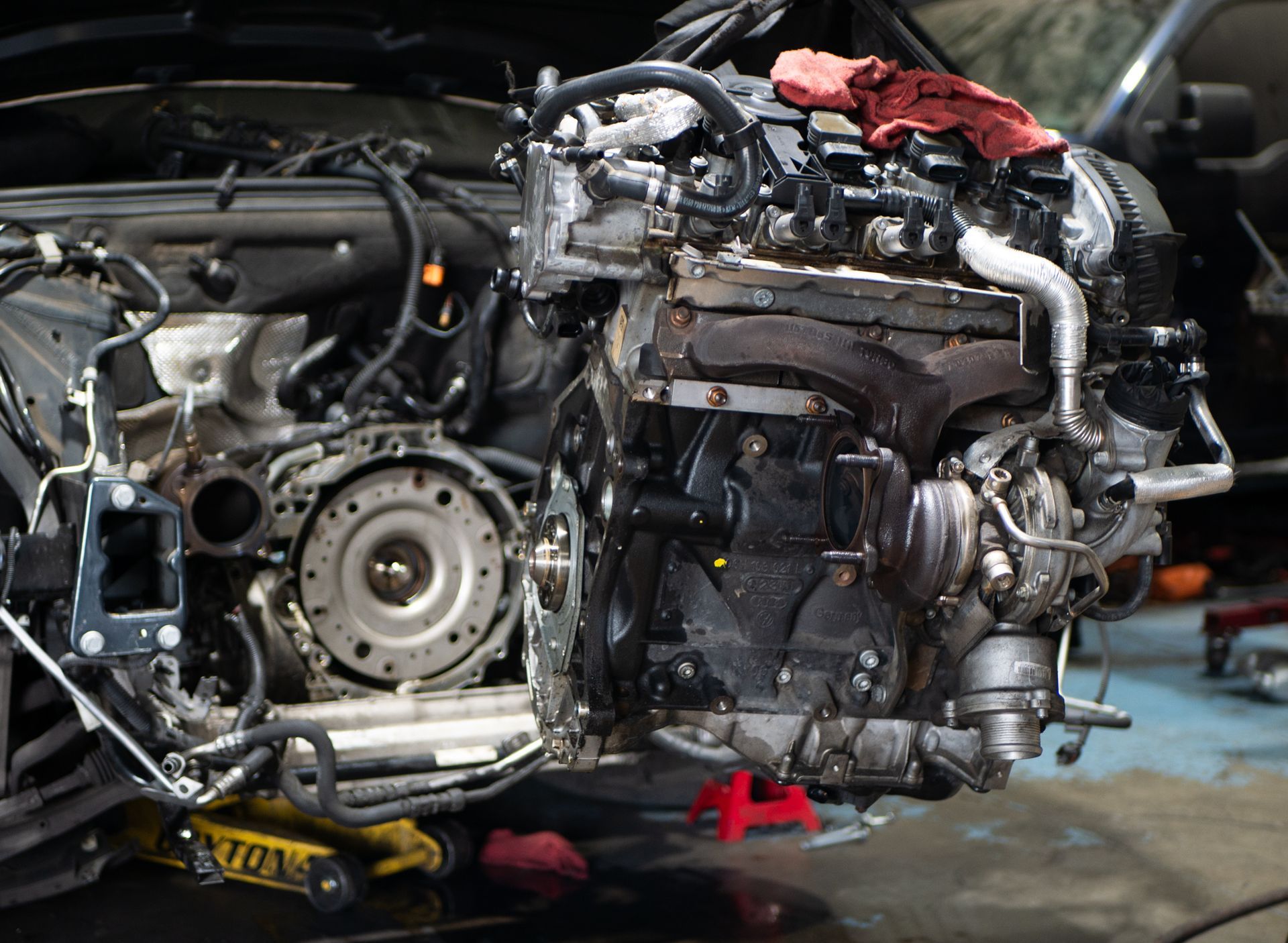
This article will give a rundown of the process to diagnose and repair Audi A4.
By Victor Mejia January 9, 2024
This article will give a rundown of the process to diagnose and repair the following issues on the 2009 Audi A4. We received this car with P2279 and P0300. P2279 indicates an intake air system leak. P0300 is a random misfire.
More Posts